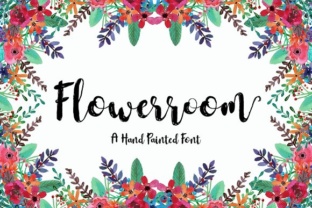
Flowerroom: A Handwritten Font for Boutique Branding and Crafts
When you are designing a new line of handmade goods, the typography you choose does more than just convey information; it sets the emotional tone of your entire brand. For many of us in the crafting community—whether we are cutting vinyl for Cricut projects, designing printable planners, or printing custom labels for our Etsy shops—the right typeface can be the difference between a product that looks like a hobby and one that looks like a professional business. This is where Flowerroom, a handwritten font created by Area Type under the Script Amp collection, becomes an essential asset in your design toolkit.
Flowerroom is not just another generic script. It carries a distinct personality that feels personal, organic, and inviting. Its visual style mimics the natural flow of ink on paper, offering a sense of authenticity that resonates deeply with customers who value artisanal quality. Whether you are creating wedding invitations, product packaging, or digital downloads, understanding how to leverage this creative font can elevate your presentations and strengthen your brand identity.
The Visual Appeal of Flowerroom
At first glance, Flowerroom strikes a balance between elegance and approachability. As a handwritten font, it avoids the overly rigid structure of traditional serif fonts while maintaining enough legibility to be practical for various applications. The strokes vary in weight, giving it a dynamic, hand-drawn charm that feels warm and human. This makes it particularly effective for brands that want to communicate craftsmanship, care, and attention to detail.
The font’s aesthetic aligns perfectly with current trends in modern typography, where raw, authentic textures are preferred over polished, corporate sterility. For sellers of physical products, such as candles, soaps, or baked goods, using Flowerroom on tags and labels immediately signals to the buyer that the item was made with intention. It adds a layer of perceived value, suggesting that the creator has put thought into every element of the package, including the words used to describe it.
Practical Applications for Crafters and Sellers
One of the most common questions crafters ask is whether a specific font is versatile enough for their diverse project needs. Flowerroom proves to be highly adaptable across multiple mediums. Here is how it performs in real-world scenarios:
- Product Labels and Stickers: For small businesses selling skincare, jams, or crafts, Flowerroom works beautifully for short phrases like "Handmade," "Organic," or "With Love." Because it is a display font, it commands attention without overwhelming smaller spaces. Ensure you test the size before finalizing your print files, as intricate details in handwritten fonts can sometimes blur if scaled down too much.
- Invitations and Stationery: Wedding stationery, baby shower invites, and greeting cards benefit greatly from the romantic yet casual vibe of Flowerroom. It pairs exceptionally well for names and dates, adding a touch of sophistication that feels personal rather than pre-printed. When designing digital templates for sale, offering this font gives buyers a ready-made solution for elegant events.
- Wall Art and Home Decor: If you create SVG designs for sublimation or vinyl cutting, Flowerroom is ideal for farmhouse-style signs, nursery decor, or inspirational quotes. Its flowing lines allow for interesting layout possibilities, such as wrapping text around circular shapes or integrating it with floral illustrations.
- Social Media Graphics: In the age of Instagram and Pinterest, visual appeal is paramount. Using Flowerroom for quote graphics or promotional banners helps your posts stand out in a crowded feed. The unique character set ensures that your social media presence feels cohesive and branded.
Readability and Technical Considerations
While Flowerroom is visually striking, it is important to remember its limitations. As a script font, it is best suited for short phrases, titles, names, and decorative wording. It is generally not recommended for body text or long paragraphs, as the varying stroke weights and connected letters can become difficult to read at small sizes. For longer descriptions on product packaging or website content, it is wise to pair Flowerroom with a clean sans serif font or a simple serif font to maintain readability.
For those using cutting machines like Silhouette or Cricut, always preview your designs at the actual output size. Some handwritten fonts have delicate connections that may break if the material is thin or if the cut depth is incorrect. Additionally, when creating mockups for digital products, ensure that the contrast between the font color and the background is sufficient. Light gray text on a white background, for example, might look stylish but could be illegible for older customers or those viewing on mobile devices.
Font Pairing Strategies
To maximize the impact of Flowerroom, strategic pairing is key. Since Flowerroom provides the expressive, emotional voice of your design, you need a complementary typeface to provide structure and clarity. A classic combination involves pairing Flowerroom with a geometric sans serif font. The clean lines of the sans serif create a modern contrast that highlights the organic nature of the script. Alternatively, for a more traditional or rustic look, pair it with a slab serif font. This combination works wonders for boutique tags, harvest-themed packaging, or vintage-inspired wall art.
Licensing and Commercial Use
As a seller, understanding licensing is crucial to protecting your business. Always check the specific license included with Flowerroom. Most premium fonts from reputable foundries like Area Type offer commercial licenses that allow you to use the font in physical products you sell, such as printed shirts, mugs, and stickers. However, there are often restrictions on how you distribute the font file itself. You typically cannot include the .otf or .ttf file in your digital downloads or templates unless explicitly permitted. Instead, you should embed the font in PDFs or convert text to outlines (paths) when preparing SVG files for clients. This ensures that your customers receive a finished design file that will render correctly on their machines, regardless of whether they own the original font.
Furthermore, be mindful of multilingual support. If your target audience includes international customers, verify which character sets are included in the font package. While many modern fonts support extended Latin characters, some may lack accents or special symbols needed for European languages. Checking these details beforehand prevents frustration during production and ensures your products are accessible to a broader market.
Why Flowerroom Fits Your Creative Workflow
In the competitive world of handmade goods, standing out requires more than just a good product; it requires a compelling narrative. Typography plays a central role in that story. Flowerroom offers a blend of charm and professionalism that appeals to a wide range of consumers. It feels both nostalgic and contemporary, making it a versatile choice for seasonal collections, holiday packaging, and year-round branding.
By incorporating Flowerroom into your design process, you are investing in the visual consistency of your brand. Consistency builds trust, and trust drives sales. Whether you are designing a single wedding invitation or a full line of printable planners, this handwritten font provides the perfect finishing touch. It reminds your customers that behind every product is a person who cares about the details. For crafters, designers, and small shop owners looking to enhance their creative assets, Flowerroom is a thoughtful addition to any library of design tools.